Yep, we may get a tiny thank-you (read: commission) when you buy through
links on Gadgetspotr — not enough for a yacht, but enough to keep the lights (and
servers) on.
Learn more
Ooops...!
You've got an alert.
8
Alternatives
0
Likes
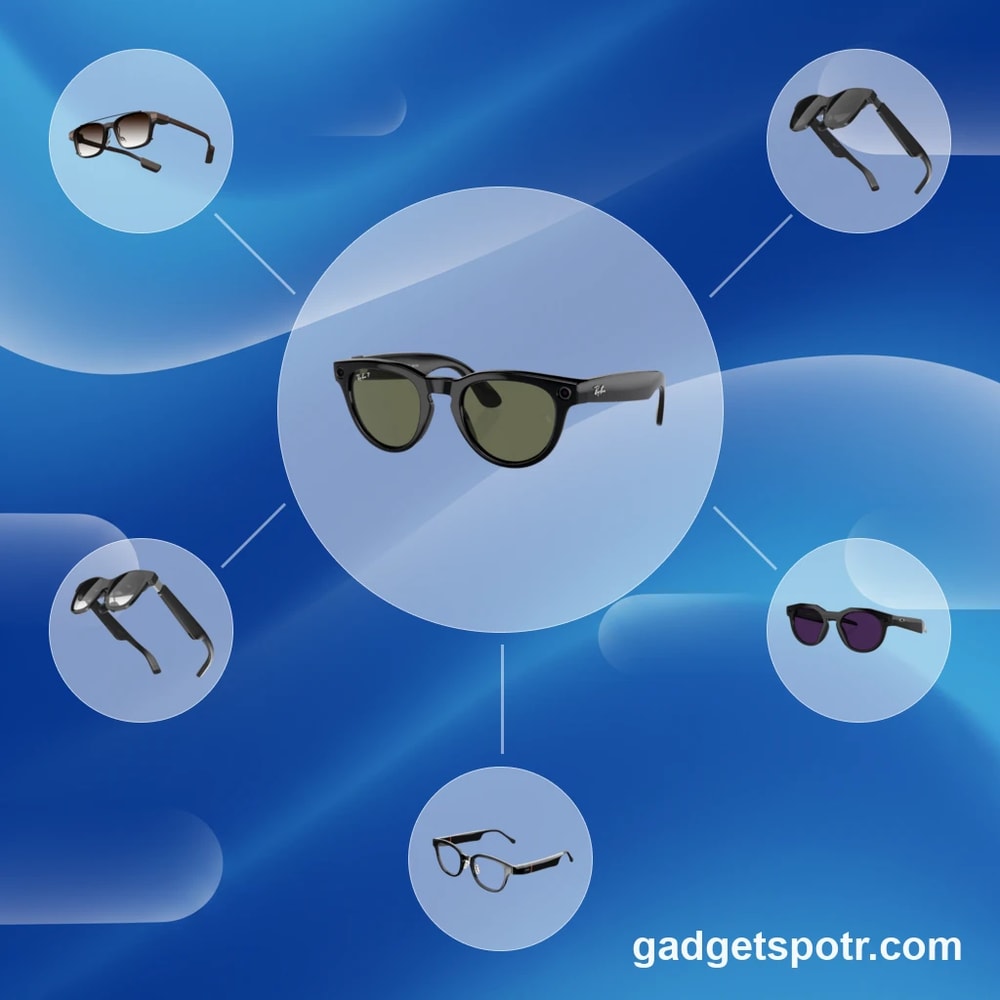
The 8 Alternatives to Ray-Ban Meta Headliner
:
Leading Smart Glass Options Explained — 2026
Compare Smart Glass alternatives by battery life, display tech, recording limits, and AI capabilities.
Explore Your Options
Alternative products worth considering.
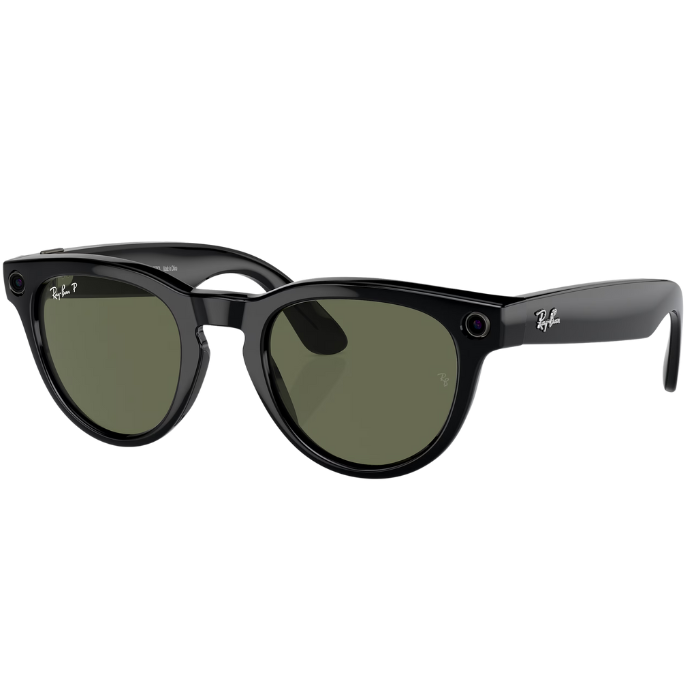
The rise of AI-powered eyewear has made devices like the Ray-Ban Meta Headliner a familiar reference point, blending a 12 MP camera, open-ear audio, and voice-driven assistance into a lifestyle-friendly Smart Glass. Still, many users begin exploring an alternatives to Ray Ban Meta Headliner when real-world limitations surface, especially around battery endurance, recording limits, and the absence of a built-in display for visual overlays.
In practice, comparisons often come down to measurable trade-offs rather than brand preference. For example, some alternatives extend video recording from around 5 minutes to closer to 9 minutes, while others shift focus entirely by offering Micro-OLED or heads-up displays instead of camera-first designs. Battery performance also varies significantly, with certain models reaching up to 8 to 10 hours of use compared to shorter typical runtimes, which can directly affect daily usability.
Use case plays a central role in how these differences matter. Content creators may prioritize resolution and clip length, commuters often value immersive audio or large virtual displays, and professionals tend to look for longer battery life and AI tools that handle translation or quick prompts. Smart glasses today generally fall into clear categories, including audio-focused, camera-driven, and AR-enabled devices, each optimized for a different type of experience rather than trying to cover everything equally well.
This guide approaches alternatives through that lens, focusing on practical performance metrics, feature trade-offs, and how each option aligns with specific daily needs. Instead of positioning one device as universally better, it highlights how different Smart Glass designs solve different problems, helping you evaluate which features actually improve your routine rather than simply adding complexity.
Alternative Options
Other products worth your attention.
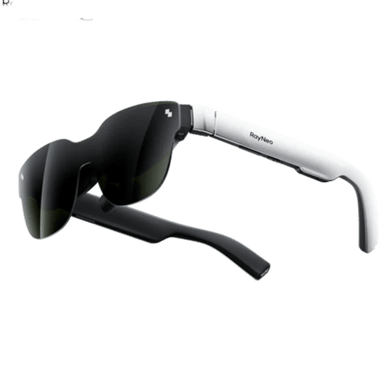
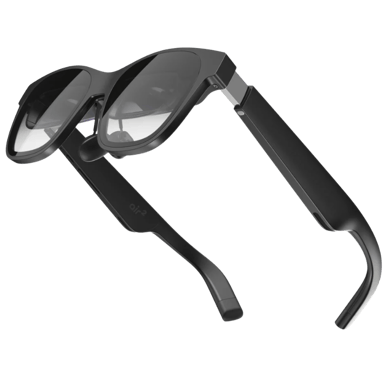
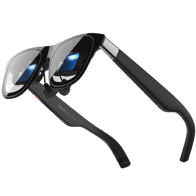
The RayNeo Air 3S is a relevant alternative to the Ray-Ban Meta Headliner as both products are advanced smart glasses designed for entertainment, gaming, work, and travel. While they differ slightly in display technology specifics and control methods, they share many features that support similar user experiences.
Both have Micro-OLED displays suitable for immersive visual content.
They target analogous use cases including entertainment, gaming, work, and travel.
Both support compatibility with major platforms like Android and iOS.
Each features a privacy shutter, though one is electronic and the other mechanical, serving similar privacy functions.
Overall, the RayNeo Air 3S can serve as a practical replacement for the Ray-Ban Meta Headliner in many scenarios.
Nerdy Bits & Must-Knows
Specs worth knowing…
RayNeo Air 3S
Product Type
What type of smart glasses are these?
89
RayNeo Air 3S
0
Votes
AR Glasses
88
Smart Glasses in this range
Audio Glasses
Defines the main functional category of the smart glasses.
When it comes to Product Type,
RayNeo Air 3S ◉ is
better than
Smart Glass in this range ◉
, delivering
higher
1 score
measurement.
Don’t keep it to yourself — be the first to react and review the
Product Type on RayNeo Air 3S
◉ and help others decide!
RayNeo Air 3S
Target Use Case
What are the main use cases?
75
RayNeo Air 3S
0
Votes
Entertainment, Gaming, Travel, Work
89
Smart Glasses in this range
Entertainment, Work, Travel
RayNeo Air 3S
Ideal for external display use with laptops, phones, gaming consoles, and more
The intended scenarios where the product performs best.
When it comes to Target Use Case,
RayNeo Air 3S ◉ is
worse than
Smart Glass in this range ◉
, delivering
equal
14 score
measurement.
Don’t keep it to yourself — be the first to react and review the
Target Use Case on RayNeo Air 3S
◉ and help others decide!
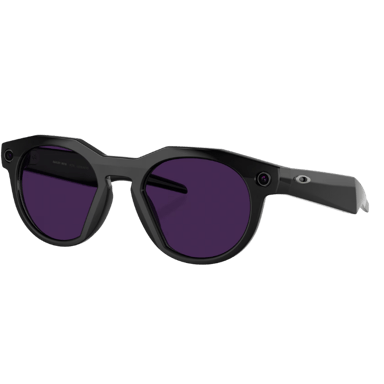
The Oakley Meta HSTN shares the core functionality of AI Glasses with the Ray-Ban Meta Headliner, making it a relevant alternative for users seeking similar smart eyewear features. Both models support integration with Android and iOS devices and offer voice and touch control with the Meta AI assistant.
Both products are AI Glasses designed for mixed use including work and travel scenarios.
Each uses polarized lenses with electronic privacy shutters for enhanced privacy control.
They support wireless connectivity with Bluetooth 5.2+ and provide open-ear speaker audio and multi-microphone arrays for voice interaction.
Both allow compatibility with Android and iOS platforms and incorporate similar sensor arrays (accelerometer, gyroscope, magnetometer).
While there are some differences in design and minor feature details, the Oakley Meta HSTN can practically serve as a replacement for the Ray-Ban Meta Headliner in most use cases.
Nerdy Bits & Must-Knows
Specs worth knowing…
Oakley Meta HSTN
Product Type
What type of smart glasses are these?
94
Oakley Meta HSTN
0
Votes
AI Glasses
81
Smart Glasses in this range
Audio Glasses
Defines the main functional category of the smart glasses.
When it comes to Product Type,
Oakley Meta HSTN ◉ is
better than
Smart Glass in this range ◉
, delivering
higher
13 score
measurement.
Don’t keep it to yourself — be the first to react and review the
Product Type on Oakley Meta HSTN
◉ and help others decide!
Oakley Meta HSTN
Lens Type
What type of lenses do they have?
39
Oakley Meta HSTN
0
Votes
Polarized
62
Smart Glasses in this range
Polarized
Oakley Meta HSTN
The glasses use polarized lenses, which are designed to reduce glare from reflective surfaces like water or glass, enhancing clarity in bright outdoor environments.
Type of lenses provided by default.
When it comes to Lens Type,
Oakley Meta HSTN ◉ is
worse than
Smart Glass in this range ◉
, delivering
equal
23 score
measurement.
Don’t keep it to yourself — be the first to react and review the
Lens Type on Oakley Meta HSTN
◉ and help others decide!
Oakley Meta HSTN
Compatibility
What devices are they compatible with?
89
Oakley Meta HSTN
0
Votes
android, iOS
75
Smart Glasses in this range
android, iOS
Operating systems and devices supported.
When it comes to Compatibility,
Oakley Meta HSTN ◉ is
better than
Smart Glass in this range ◉
, delivering
higher
14 score
measurement.
Don’t keep it to yourself — be the first to react and review the
Compatibility on Oakley Meta HSTN
◉ and help others decide!
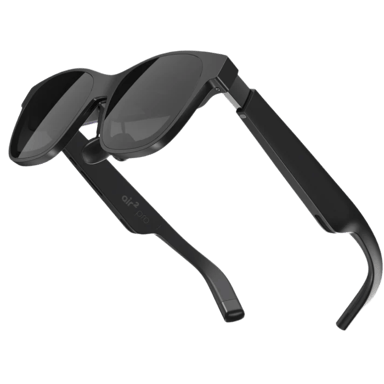
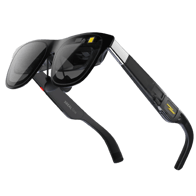
The XReal Air 2 Pro serves as a relevant alternative to the Ray-Ban Meta Headliner, sharing several core functional features centered around advanced wearable display technology designed for entertainment, gaming, work, and travel.
Both are advanced smart glasses using Micro-OLED displays, providing immersive virtual screen experiences.
They support a range of target use cases such as entertainment, gaming, work, and travel with cross-platform compatibility including Android and iOS.
Both feature open-ear speaker systems designed for spatial audio experiences, enhancing real-world use.
Each device offers a privacy shutter or indicator for user privacy, although implemented differently.
While the XReal Air 2 Pro lacks some AI assistant features of the Ray-Ban Meta Headliner, it compensates with broader compatibility including Windows, Mac, and gaming consoles, making it a strong practical replacement for most users.
Nerdy Bits & Must-Knows
Specs worth knowing…
XReal Air 2 Pro
Product Type
What type of smart glasses are these?
86
XReal Air 2 Pro
0
Votes
AR Glasses
84
Smart Glasses in this range
Audio Glasses
Defines the main functional category of the smart glasses.
When it comes to Product Type,
XReal Air 2 Pro ◉ is
better than
Smart Glass in this range ◉
, delivering
higher
2 score
measurement.
Don’t keep it to yourself — be the first to react and review the
Product Type on XReal Air 2 Pro
◉ and help others decide!
XReal Air 2 Pro
Target Use Case
What are the main use cases?
72
XReal Air 2 Pro
0
Votes
Entertainment, Gaming, Work, Travel
78
Smart Glasses in this range
Entertainment, Work, Travel
The intended scenarios where the product performs best.
When it comes to Target Use Case,
XReal Air 2 Pro ◉ is
worse than
Smart Glass in this range ◉
, delivering
equal
6 score
measurement.
Don’t keep it to yourself — be the first to react and review the
Target Use Case on XReal Air 2 Pro
◉ and help others decide!
XReal Air 2 Pro
Speaker Type
What type of speakers are built in?
46
XReal Air 2 Pro
0
Votes
Open-Ear
67
Smart Glasses in this range
Open-Ear
Defines the type of speakers used in the glasses.
When it comes to Speaker Type,
XReal Air 2 Pro ◉ is
worse than
Smart Glass in this range ◉
, delivering
equal
21 score
measurement.
Don’t keep it to yourself — be the first to react and review the
Speaker Type on XReal Air 2 Pro
◉ and help others decide!
The Oakley Meta HSTN Transitions shares core functionalities with the Ray-Ban Meta Headliner, making it a relevant alternative for users seeking AI glasses with similar usage scenarios.
Both products are AI glasses designed for wireless use and compatibility with Android and iOS devices.
They feature open-ear speaker designs and support voice and touch controls, including the Meta AI assistant.
Each includes cameras positioned on the left temple with video recording capabilities suitable for multimedia use.
Both have IP54 ratings, indicating comparable durability against dust and water splashes, suitable for mixed environments like travel and work.
While there are some differences in lens technology and design, the comparison product can realistically replace the main product in most typical use cases.
Nerdy Bits & Must-Knows
Specs worth knowing…
Oakley Meta HSTN Transitions
Product Type
What type of smart glasses are these?
94
Oakley Meta HSTN Transitions
0
Votes
AI Glasses
82
Smart Glasses in this range
Audio Glasses
Oakley Meta HSTN Transitions
The Oakley Meta HSTN falls under the category of AI-powered smart glasses, designed for enhanced user interaction through Meta AI.
Defines the main functional category of the smart glasses.
When it comes to Product Type,
Oakley Meta HSTN Transitions ◉ is
better than
Smart Glass in this range ◉
, delivering
higher
12 score
measurement.
Don’t keep it to yourself — be the first to react and review the
Product Type on Oakley Meta HSTN Transitions
◉ and help others decide!
Oakley Meta HSTN Transitions
Compatibility
What devices are they compatible with?
89
Oakley Meta HSTN Transitions
0
Votes
android, iOS
77
Smart Glasses in this range
android, iOS
Oakley Meta HSTN Transitions
Compatible with both Android and iOS devices, ensuring broad compatibility with smartphones and tablets.
Operating systems and devices supported.
When it comes to Compatibility,
Oakley Meta HSTN Transitions ◉ is
better than
Smart Glass in this range ◉
, delivering
higher
12 score
measurement.
Don’t keep it to yourself — be the first to react and review the
Compatibility on Oakley Meta HSTN Transitions
◉ and help others decide!
Oakley Meta HSTN Transitions
Speaker Type
What type of speakers are built in?
49
Oakley Meta HSTN Transitions
0
Votes
Open-Ear
50
Smart Glasses in this range
Open-Ear
Oakley Meta HSTN Transitions
Open-ear speakers allow you to enjoy audio without blocking out ambient sounds, ideal for use during activities like running or biking.
Defines the type of speakers used in the glasses.
When it comes to Speaker Type,
Oakley Meta HSTN Transitions ◉ is
worse than
Smart Glass in this range ◉
, delivering
equal
1 score
measurement.
Don’t keep it to yourself — be the first to react and review the
Speaker Type on Oakley Meta HSTN Transitions
◉ and help others decide!
The SOLOS AirGo 3 Argon 6S is a relevant alternative to the Ray-Ban Meta Headliner for users seeking AI-powered smart glasses with similar core functionality and usage scenarios.
Both devices are AI Glasses designed in a Wayfarer style and were released in 2023, targeting entertainment, work, and travel use cases.
They feature Micro-OLED displays and compatible connectivity with Android and iOS platforms, ensuring similar smart capabilities.
Both use wireless connectivity with Bluetooth 5.2 and have USB-C charging, offering comparable convenience and modern interfaces.
Audio features include open-ear speaker types, although the SOLOS model uses proprietary audio technology with fewer microphones, while the Ray-Ban model incorporates Harman/Bose audio and a 5-microphone array.
While there are differences such as the Ray-Ban including a built-in camera and Meta AI assistant, and the SOLOS lacking a camera but integrating ChatGPT as the AI assistant, the SOLOS AirGo 3 Argon 6S can still serve as a practical functional replacement depending on the user's priority for audio and AI assistant experience over camera functionality.
Nerdy Bits & Must-Knows
Specs worth knowing…
SOLOS AirGo 3 Argon 6S
Product Type
What type of smart glasses are these?
91
SOLOS AirGo 3 Argon 6S
0
Votes
AI Glasses
84
Smart Glasses in this range
Audio Glasses
SOLOS AirGo 3 Argon 6S
These glasses are powered by AI, offering smart features such as real-time translation and ChatGPT integration.
Defines the main functional category of the smart glasses.
When it comes to Product Type,
SOLOS AirGo 3 Argon 6S ◉ is
better than
Smart Glass in this range ◉
, delivering
higher
7 score
measurement.
Don’t keep it to yourself — be the first to react and review the
Product Type on SOLOS AirGo 3 Argon 6S
◉ and help others decide!
SOLOS AirGo 3 Argon 6S
Style/Design
What style/design are they?
51
SOLOS AirGo 3 Argon 6S
0
Votes
Wayfarer
77
Smart Glasses in this range
Sleek
The visual style or frame design type.
When it comes to Style/Design,
SOLOS AirGo 3 Argon 6S ◉ is
worse than
Smart Glass in this range ◉
, delivering
equal
26 score
measurement.
Don’t keep it to yourself — be the first to react and review the
Style/Design on SOLOS AirGo 3 Argon 6S
◉ and help others decide!
The XReal Air 2 glasses offer a relevant alternative to the Ray-Ban Meta Headliner, particularly for users interested in AR/AI-enabled eyewear with similar intended use cases across entertainment, gaming, work, and travel. Both share a Wayfarer style and comparable build materials, aligning well in form factor and general user experience.
Both are designed primarily for entertainment, gaming, work, and travel use, providing versatile smart eyewear functionality.
They share a Wayfarer style frame made from plastic and metal, ensuring a comparable fit and aesthetic.
Display technology is similar, with both using Micro-OLED displays aimed at delivering high-quality visual experiences.
Both are compatible with Android and iOS platforms, supporting broad device integration.
While the XReal Air 2 lacks a built-in camera and uses wired connectivity compared to the Meta Headliner's wireless design with a camera, it remains a strong practical alternative for users prioritizing display and multimedia experiences without the camera features.
Nerdy Bits & Must-Knows
Specs worth knowing…
XReal Air 2
Product Type
What type of smart glasses are these?
86
XReal Air 2
0
Votes
AR Glasses
80
Smart Glasses in this range
Audio Glasses
Defines the main functional category of the smart glasses.
When it comes to Product Type,
XReal Air 2 ◉ is
better than
Smart Glass in this range ◉
, delivering
higher
6 score
measurement.
Don’t keep it to yourself — be the first to react and review the
Product Type on XReal Air 2
◉ and help others decide!
XReal Air 2
Style/Design
What style/design are they?
51
XReal Air 2
0
Votes
Wayfarer
75
Smart Glasses in this range
Sleek
The visual style or frame design type.
When it comes to Style/Design,
XReal Air 2 ◉ is
worse than
Smart Glass in this range ◉
, delivering
equal
24 score
measurement.
Don’t keep it to yourself — be the first to react and review the
Style/Design on XReal Air 2
◉ and help others decide!
XReal Air 2
Frame Material
What material is the frame made of?
31
XReal Air 2
0
Votes
Plastic, Metal
69
Smart Glasses in this range
Plastic
The primary material(s) used in the frame build.
When it comes to Frame Material,
XReal Air 2 ◉ is
worse than
Smart Glass in this range ◉
, delivering
equal
38 score
measurement.
Don’t keep it to yourself — be the first to react and review the
Frame Material on XReal Air 2
◉ and help others decide!
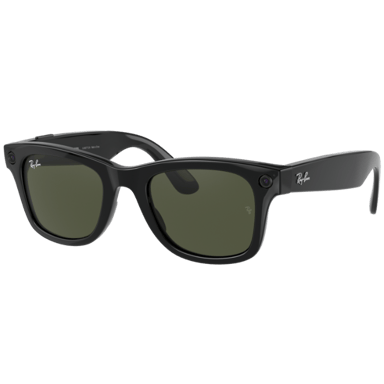
The Ray-Ban Stories has been discontinued️.
Our community last shared an update on
December 16, 2025.
Why Consider This
What makes it stand out.
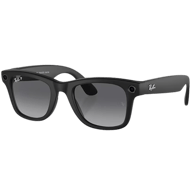
The Ray-Ban Stories can be considered a somewhat relevant alternative to the Ray-Ban Meta Headliner, primarily for users interested in smart glasses with audio and camera functionality. However, the Stories are focused on audio glasses without integrated AR displays, limiting their ability to fully replace the Meta Headliner’s mixed reality capabilities.
Both products share the Wayfarer style and similar frame materials for a comparable look and feel.
They target similar use cases such as entertainment, gaming, work, and travel, supporting android and iOS compatibility.
Both use wireless connectivity and support Bluetooth, allowing hands-free control with touch and voice.
They are equipped with open-ear speakers and multiple microphones for audio and voice interactions.
While Ray-Ban Stories offer strong smart audio and camera features, they lack the Micro-OLED display and AR functionalities that characterize the Meta Headliner, which restricts their ability to serve as a full practical replacement for users seeking advanced mixed-reality experiences.
Nerdy Bits & Must-Knows
Specs worth knowing…
Ray-Ban Stories
Product Type
What type of smart glasses are these?
31
Ray-Ban Stories
0
Votes
Audio Glasses
54
Smart Glasses in this range
Audio Glasses
Ray-Ban Stories
Combines premium Ray-Ban eyewear with discreet open-ear speakers and dual microphones for hands-free music, calls, and photos—no earbuds needed.
Defines the main functional category of the smart glasses.
When it comes to Product Type,
Ray-Ban Stories ◉ is
worse than
Smart Glass in this range ◉
, delivering
equal
23 score
measurement.
Don’t keep it to yourself — be the first to react and review the
Product Type on Ray-Ban Stories
◉ and help others decide!
Ray-Ban Stories
Style/Design
What style/design are they?
31
Ray-Ban Stories
0
Votes
Wayfarer
53
Smart Glasses in this range
Sleek
The visual style or frame design type.
When it comes to Style/Design,
Ray-Ban Stories ◉ is
worse than
Smart Glass in this range ◉
, delivering
equal
22 score
measurement.
Don’t keep it to yourself — be the first to react and review the
Style/Design on Ray-Ban Stories
◉ and help others decide!
The Even G1 shares core characteristics with the Ray-Ban Meta Headliner, specifically in being wearable smart glasses compatible with both Android and iOS ecosystems. While the Ray-Ban model emphasizes entertainment and gaming with integrated audio features, the Even G1 focuses more on work, travel, and fitness use cases with an AR display but lacks built-in audio capabilities and camera functionality. Therefore, the Even G1 can serve as a partial alternative mainly for users prioritizing augmented reality display features over multimedia and audio functionalities.
Both are smart glasses designed for wearable AR/AI applications with wireless connectivity and Bluetooth 5.2 support.
Both support Android and iOS platforms, allowing cross-device compatibility.
The display technology is similar, using advanced micro-LED or micro-OLED screens with sRGB color gamut coverage and passive cooling systems.
Both feature open-frame designs incorporating plastic materials, though the Even G1 includes magnesium and titanium for enhanced durability.
Overall, the Even G1 is a relevant alternative for basic AR use cases but does not fully replace the richer multimedia experience and integrated audio features of the Ray-Ban Meta Headliner.
Nerdy Bits & Must-Knows
Specs worth knowing…
Even G1
Product Type
What type of smart glasses are these?
87
Even G1
0
Votes
AR Glasses
83
Smart Glasses in this range
Audio Glasses
Even G1
Augmented Reality (AR) glasses designed for seamless interaction with your digital world. Perfect for a tech-savvy lifestyle.
Defines the main functional category of the smart glasses.
When it comes to Product Type,
Even G1 ◉ is
better than
Smart Glass in this range ◉
, delivering
higher
4 score
measurement.
Don’t keep it to yourself — be the first to react and review the
Product Type on Even G1
◉ and help others decide!
Even G1
Compatibility
What devices are they compatible with?
87
Even G1
0
Votes
android, iOS
74
Smart Glasses in this range
android, iOS
Operating systems and devices supported.
When it comes to Compatibility,
Even G1 ◉ is
better than
Smart Glass in this range ◉
, delivering
higher
13 score
measurement.
Don’t keep it to yourself — be the first to react and review the
Compatibility on Even G1
◉ and help others decide!
Even G1
Display Type
What display type do they use?
91
Even G1
0
Votes
Micro-LED
82
Smart Glasses in this range
Micro-OLED
Even G1
Known for its sharp contrast and vivid color representation, enhancing the AR experience.
The underlying display technology used.
When it comes to Display Type,
Even G1 ◉ is
better than
Smart Glass in this range ◉
, delivering
higher
9 score
measurement.
Don’t keep it to yourself — be the first to react and review the
Display Type on Even G1
◉ and help others decide!
Worth a Second Look
Didn't make the cut this time, but still solid options.
Stuff You Were Too Shy to Ask
But we answered it anyway.
How long does battery last in smart glasses daily use?
Battery life varies widely depending on features like cameras, displays, and AI processing. Many camera-enabled models last around 4 hours of active use, while some alternatives reach 8 to 10 hours by focusing on audio or productivity tasks. Recording video or using displays typically drains power faster, so usage patterns matter. Charging cases can extend total daily use, but recharge speed, sometimes around 30 to 40 minutes for a full cycle, also affects convenience. In practice, users should compare both standalone runtime and total capacity with the case to understand real-world endurance.
What video recording limits should you expect from smart glasses?
Recording limits differ based on hardware and thermal constraints. Some models cap clips at around 5 minutes in 1080p, while others extend this to approximately 9 minutes for longer uninterrupted capture. Resolution also matters, with most devices staying at 1080p rather than higher formats to balance storage and battery use. These limits can impact content creation workflows, especially if frequent restarts are required. Evaluating both clip length and how quickly the device can resume recording helps determine whether a model suits casual capture or more consistent filming needs.
Do smart glasses support AR displays or only audio features?
Smart glasses generally fall into three categories: audio-only, camera-based, and AR-enabled. Some models provide only sound through open-ear speakers, while others include cameras without visual overlays. More advanced options integrate AR displays using technologies like Micro-OLED to project information into your field of view. These displays can show navigation, text, or media, but often add weight and power demands. Choosing between them depends on whether you need visual data or prefer a simpler, less intrusive experience focused on audio and hands-free interaction.
How important is weight and comfort for long-term wearability?
Comfort is a critical factor for daily use, especially when devices range from about 35 grams to over 80 grams. Lighter frames tend to feel closer to traditional eyewear, while heavier models with displays or multiple sensors may create pressure over time. Design elements like nose pads, frame balance, and temple fit also influence wearability. Even small differences in weight distribution can affect whether glasses are comfortable for hours or only short sessions. Users should consider both total weight and how that weight is distributed across the frame for extended use.
What AI features are available and how do they differ?
AI capabilities vary from simple voice commands to more advanced contextual assistance. Some devices focus on basic tasks like music control or reminders, while others integrate assistants capable of translation, answering questions, or handling prompts. Certain models support broader language coverage, sometimes exceeding 10 or more languages, which can be useful for travel. The quality of interaction depends on the underlying system, often tied to cloud-based processing. Evaluating responsiveness, supported features, and ecosystem compatibility helps determine how useful the AI will be in everyday scenarios.
Are smart glasses safe and compliant with privacy expectations?
Most smart glasses include visible indicators, such as LED lights, to signal when recording is active, which helps address privacy concerns. Many also follow general consumer electronics safety standards, though certifications can vary by region. Features like open-ear audio are designed to maintain awareness of surroundings, which can improve safety in public spaces. However, users should still verify water resistance ratings such as IPX4 and understand limitations, since most models are splash-resistant rather than fully waterproof. Clear indicators and compliance features contribute to more responsible everyday use.
Can smart glasses support prescription lenses and vision adjustments?
Many smart glasses are designed to accommodate prescription lenses, either directly or through inserts. Some support a standard range, while others extend compatibility to broader prescriptions, improving accessibility. Adjustable elements like IPD or diopter settings may also be available in display-focused models, helping users fine-tune visual clarity. The ease of swapping lenses or inserts can vary, with some systems offering modular or magnetic solutions. Checking compatibility and adjustment options ensures the device remains practical for long-term use without compromising vision quality.
How do prices compare across different smart glasses categories?
Pricing typically reflects feature complexity rather than overall quality. Entry-level audio-focused models can start below $200, while camera-enabled or AI-integrated devices often range from $299 to $400. Advanced AR glasses with displays and tracking features can approach or exceed $1,000. Additional costs, such as prescription lenses or accessories, may increase the total investment. Compared to the Ray-Ban Meta Headliner, alternatives may offer longer battery life or display capabilities at similar or higher price points, so evaluating features against actual usage needs is essential for value.
Big Brain Stuff, Summed Up
Because who reads everything, right?
Exploring alternatives to Ray Ban Meta Headliner ultimately comes down to how different models prioritize measurable performance factors such as battery life, display capability, and recording limits. Some options extend usage closer to 8 to 10 hours, while others focus on immersive visuals through Micro-OLED displays or AR overlays instead of camera-first functionality. Weight also ranges significantly, from about 35 g to over 80 g, which can influence long-term comfort and daily usability depending on how frequently the glasses are worn.
Each alternative reflects a different balance of features rather than a direct replacement. Devices with longer recording limits, sometimes up to 9 minutes, may better support content creation, while display-focused models provide a more immersive viewing experience for media or navigation. Others prioritize simplicity, offering audio-first designs with fewer sensors but improved endurance. These variations indicate that no single Smart Glass solution fits every scenario, and performance differences should be interpreted based on actual use cases rather than feature lists alone.
When comparing options against the Ray-Ban Meta Headliner, it helps to align specifications with daily habits, whether that involves extended battery use, visual overlays, or hands-free communication. Careful evaluation of verified specs, including runtime, display type, and connectivity, can guide a more practical decision. A well-informed choice is less about finding the most advanced device and more about selecting the one that consistently supports your routine.